
Lösungen zur Kalziumkarbid-Einspritzung in Lichtbogenöfen optimieren die Schlackeaufschäumung, steigern die Energieeffizienz und stabilisieren den Betrieb von Lichtbogenöfen (EAF).
Wir wissen, dass Effizienz der Schlüssel zu einer rentablen Stahlproduktion ist. Wahre Effizienz lässt sich nicht durch Abkürzungen erreichen, sondern nur durch disziplinierte Umsetzung und konsequente Kontrolle in jeder Phase der Produktion. Der Erfolg hängt davon ab, dass die richtige Energie zur richtigen Zeit und am richtigen Ort bereitgestellt wird.
Dennoch sinkt bei vielen EAF-Betrieben die Effizienz gegen Ende des Schmelzvorgangs. Die Schlacke wird dünner und die Höhe der Schaumschlacke bricht ein. Ohne ausreichende Schaumbedeckung steigt die Lichtbogenbelastung, und die Energieübertragung auf das Stahlbad nimmt ab. Die Zeit zwischen den Abgüssen verlängert sich. Die Stromkosten steigen. Die Ausbeuteverluste nehmen zu. Die Lichtbogenbelastung steigt. Teures Feuerfestmaterial wird abgenutzt.
Eine wirksame Schlackekontrolle ist von entscheidender Bedeutung, insbesondere dann, wenn höchste Effizienz gefragt ist – beispielsweise in den Endphasen des Aufheizens, bei der Zugabe von DRI/HBI oder wenn eine Mikromühle die Stundenleistung maximieren muss.
Der Einsatz von Lösungen zur Kalziumkarbid-Einspritzung in Lichtbogenöfen trägt dazu bei, stabile Schlackebedingungen aufrechtzuerhalten, was eine gleichbleibende Lichtbogenleistung und einen optimalen Ofenbetrieb gewährleistet.

Verbesserung der Schlackeaufschäumung
Kalziumkarbid-Einspritzungen in Lichtbogenöfen wurden speziell entwickelt, um die Bildung von Schaumschlacke in den kritischsten Phasen der Schmelze zu fördern, die Energieübertragung zu optimieren, den Lichtbogen zu stabilisieren und den Gesamtwirkungsgrad des Ofens zu verbessern. Jedes Kalziumkarbidkorn schafft die idealen Bedingungen für die Schaumbildung in der Schlacke, wenn es mit FeO in der Schlacke reagiert; dabei verdickt es die Schlacke, liefert Kalkpartikel zur Aufrechterhaltung der Blasen und erzeugt CO-Gas, um die Höhe des Schaums zu erhöhen.
Die elektrische Effizienz wird wiederhergestellt, da sich eine stabile Schaumschicht bildet, die die Lichtbögen bedeckt und so für einen verbesserten Stromkreis mit geringeren Wärmeverlusten sorgt. Durch die Verbesserung der Schlackenstruktur und der Reaktivität trägt die Kalziumkarbid-Zugabe dazu bei, die Lichtbogenenergie im Bad zu halten, anstatt sie nach außen abstrahlen zu lassen, was eine effizientere Wärmeübertragung und einen stabilen Ofenbetrieb fördert.
Den Lichtbogen stabilisieren
Im Lichtbogenofen steuern die Bediener zwei primäre Energiezufuhren: elektrische Energie und chemische Energie. Die elektrische Energie wird über die Elektroden zugeführt und erzeugt den Lichtbogen, der den Schrott schmilzt und erhitzt. Die chemische Energie stammt aus der Einblasung von Sauerstoff und Kohlenstoff sowie aus Sauerstoff-Brennstoff-Brennersystemen, die durch kontrollierte Reaktionen im Inneren des Ofens zusätzliche Wärme erzeugen. Wenn diese Energiezufuhren richtig aufeinander abgestimmt und an die sich ändernden Schmelzbedingungen angepasst sind, läuft der Ofen mit maximaler Leistung. Sind sie jedoch nicht mehr auf die Ofenbedingungen abgestimmt, geht die Kontrolle über die schaumige Schlacke verloren und es kommt zu zunehmenden Effizienzverlusten. Die Lichtbogenstabilität nimmt ab, die Wärmeübertragung wird unregelmäßig, und bei freiliegenden Lichtbögen stehen die Bediener vor einer Zwickmühle: Entweder sie verringern die elektrische Leistung und senken damit die Produktivität, oder sie erhöhen die elektrische Leistung und verkürzen damit die Lebensdauer der Feuerfestauskleidung, wobei sie sogar eine Beschädigung des Ofens riskieren.
Daher ist eine präzise und gezielte Kalziumkarbid-Zufuhr eines der wichtigsten Mittel, um das Gleichgewicht aufrechtzuerhalten und die Schaumschlacke unter Kontrolle zu halten.


Schützen Sie den Ofen
Die Zugabe von Kalziumkarbid hat sich in der späten Phase des Schmelzvorgangs als wirksam erwiesen, wenn der Kohlenstoffgehalt im Bad niedriger, der Sauerstoffgehalt und die Temperaturen höher sind und sich die Schlackenzusammensetzung rasch verändern kann. Die Bediener können ein verstärktes Auflodern des Lichtbogens, höhere Seitenwandtemperaturen und eine verringerte Schlackeviskosität beobachten. Diese Bedingungen verringern nicht nur die Energieeffizienz, sondern können auch zu erhöhtem Verschleiß der Feuerfestauskleidung, schnellem Verschleiß der Abgussöffnungen, ungleichmäßigen Abgussbedingungen und längeren Stillstandszeiten führen.
Eine gezielte Zugabe von nur 1 lb pro Tonne Kalziumkarbid gegen Ende des Schmelzvorgangs kann dazu beitragen, die Schaumhöhe wiederherzustellen, die Lichtbogenabdeckung zu verbessern und die Energieübertragungseffizienz wiederherzustellen. Diese kleine, kontrollierte Anpassung kann einen statistisch signifikanten Einfluss auf die Gesamtleistung des Ofens haben.
Kostengünstigeren und saubereren Stahl herstellen
Die Aufrechterhaltung einer ausreichenden Schaumhöhe über dem Abgussloch trägt zudem dazu bei, den Schlackeneintrag während des Abgusses zu verringern, was sauberere und kostengünstigere Verfahren in der Stahlherstellung ermöglicht. Weniger Verwirbelungen und niedrigere FeO-Werte minimieren den Schlackentransfer, verringern das Risiko eines Legierungsverlusts sowie einer Phosphor- und Schwefelrückbildung und fördern eine bessere Kontrolle der Pfannenmetallurgie, was zu einem schnelleren Durchsatz führt.
Durch die Begrenzung des Schlackeübertrags erhalten die Bediener eine bessere Kontrolle über die nachgelagerte Pfannenmetallurgie. Diese Verbesserungen tragen zu gleichmäßigeren Ausbeuten, einem optimierten Legierungsverbrauch, einer geringeren Anzahl von Chargen mit minderwertiger Qualität und Rückgüssen sowie einer höheren Gesamtstabilität des Prozesses bei.

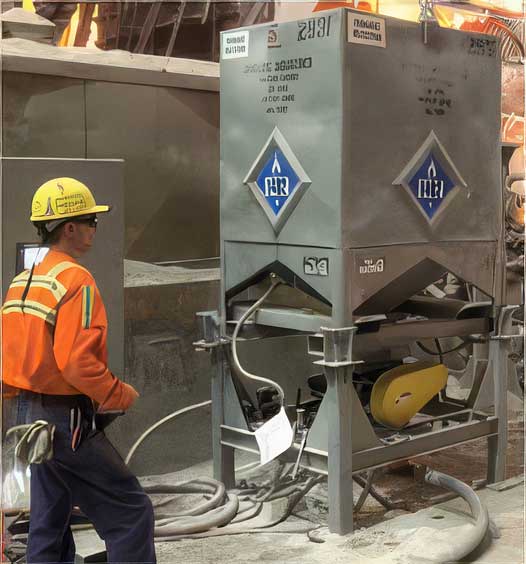
Dosieranlagen
Für eine präzise, kontrollierte Zufuhr und maximale Leistung sollten Sie die Kalziumkarbid-Einspritzungen in den Lichtbogenöfen mit einem maßgeschneiderten Dosiersystem kombinieren. Diese auf Zuverlässigkeit und Sicherheit ausgelegte Lösung basiert auf dem ingenieurtechnischen Know-how und dem technischen Support von OPTA. Von der Konzeption des Einspritzsystems bis hin zur technischen Optimierung vor Ort arbeitet OPTA eng mit den Betriebsteams zusammen, um die korrekte Platzierung, den richtigen Zeitpunkt und die richtige Durchflussregelung sicherzustellen.